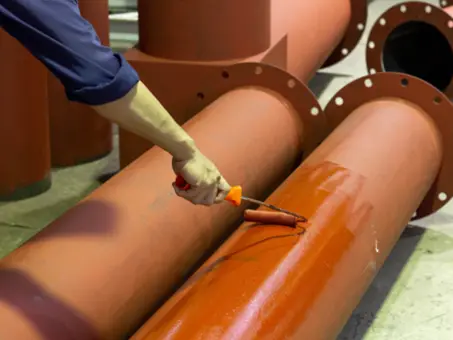
If you have ever seen a rusty fence, a corroded bridge beam, or a ship hull covered in pits, you have seen what happens when metal is left unprotected in the environment. Corrosion slowly breaks down metal over time, making it weaker and less reliable. It can cause serious problems for industries, outdoor structures, and marine vessels. That is why corrosion-resistant coatings are so important.
These coatings form a protective layer that keeps metal strong and safe even in tough conditions. With new advancements in coating technology, metals can now last longer, perform better, and resist damage from water, chemicals, and the elements.
Industries that rely on metal every day face constant challenges. Saltwater can quickly corrode ships, factories expose equipment to chemicals that eat away at metal, and outdoor structures deal with changing temperatures and weather. Using the right coating protects these assets, saves money, and keeps operations running smoothly.
Why Corrosion-Resistant Coatings Are Essential for Metal Protection
Corrosion is more than just a cosmetic problem. Left unchecked, it can make metal structures unsafe and expensive to maintain. Bridges can weaken, factory machinery can break down, and ships can develop holes in their hulls.
For example, a steel bridge exposed to rain and pollution without protection may start showing rust spots within months, which over time can compromise its strength and require costly repairs.
Applying corrosion-resistant coatings creates a barrier that stops water, oxygen, and chemicals from reaching the metal surface. This simple step can double or even triple the lifespan of metal equipment, reduce maintenance costs, and keep workers and the public safe. Industries from construction to marine transport rely on these coatings to ensure their metal assets perform reliably for years.
How Corrosion-Resistant Coating for Aluminum Protects Your Assets
Aluminum is lightweight, strong, and widely used in industries from aviation to construction. But it has a hidden challenge: it oxidizes easily when exposed to air and moisture. That thin layer of aluminum oxide might sound protective, but over time, it can cause pitting, dull surfaces, and structural weakening.
For example, aluminum railings on a coastal building can start showing white corrosion spots after a few months if left unprotected.
Applying a corrosion-resistant coating to aluminum creates a protective shield that prevents moisture and oxygen from reaching the surface. This layer keeps aluminum looking new, maintains its strength, and extends the life of critical parts in airplanes, outdoor equipment, or architectural structures. Modern coatings can even resist scratches and chemical exposure, making aluminum a durable and reliable material in challenging environments.
Powder Coating Corrosion Resistance: Benefits and Applications
Powder coating has become a popular way to protect metal because it is tough, durable, and long-lasting. Unlike traditional liquid paints that can chip or fade quickly, powder coating is applied as a dry powder and then baked onto the metal surface, forming a strong, seamless layer. This layer acts like armor, preventing water, chemicals, and weather from reaching the metal beneath.
Think about playground equipment exposed to rain or heavy machinery working in dusty and wet environments. Without protection, these metals would corrode quickly. With powder coating corrosion resistance, these items stay strong and safe for years, reducing maintenance costs and downtime.
For example, outdoor steel benches, construction equipment, and even metal fences in coastal areas perform much better with this coating compared to conventional paint.
Aluminium Coatings Corrosion Resistance: Choosing the Right Solution
Aluminum is a versatile metal, but it needs the right protection to last in different environments. There are several types of coatings available, each designed for specific needs.
Anodized coatings create a natural oxide layer that is hard and wear-resistant, making it ideal for architectural panels or electronic components. Powder coatings provide a thick, durable layer that protects outdoor equipment, fences, and machinery from weather and chemicals.
Liquid coatings can be applied in thin layers for precision parts and can include specialized additives for extra corrosion protection.
Choosing the right solution depends on the environment, the type of aluminum, and your budget. Coastal areas with salty air need tougher coatings, while indoor or dry environments may require less heavy-duty protection.
Using aluminium coatings effectively can prevent costly repairs, extend the life of equipment, and maintain the appearance and strength of aluminum assets. For example, outdoor staircases in a commercial building last far longer when coated properly, even under rain and sun exposure.
FormAlloy: Extending the Life of Equipment
Corrosion-resistant coatings are more than just a layer of paint. They protect metals from rust, wear, and environmental damage, extending the life of equipment, structures, and components across industries.
FormAlloy specializes in advanced corrosion-resistant coatings solutions tailored to your specific materials and environment. Our expertise ensures that your metal assets stay strong, safe, and long-lasting. For customized solutions that meet your industrial or commercial needs, contact FormAlloy today and protect your investments with the right coating technology.
Frequently Asked Questions
Q1: What are corrosion-resistant coatings?
Corrosion-resistant coatings are protective layers applied to metals to prevent rust, oxidation, and damage from water, chemicals, or harsh environments. They help metals last longer and stay strong in industrial, outdoor, and marine settings.
Q2: How do corrosion-resistant coatings work?
These coatings form a barrier between the metal and its environment. By keeping moisture, oxygen, and chemicals away from the metal surface, the coatings stop corrosion from forming and spreading.
Q3: What is the difference between powder coating and liquid coating?
Powder coating corrosion resistance creates a thick, durable layer baked onto the metal, while liquid coatings are thinner and can include additives for specialized protection. Powder coatings are generally more scratch- and weather-resistant.
Q4: Why is aluminum prone to corrosion?
Aluminum is lightweight and strong, but oxidizes easily when exposed to air and moisture. This can cause pitting and weaken its structure, which is why applying a corrosion-resistant coating to aluminum is important.
Q5: What types of coatings are available for aluminum?
Common types include anodized coatings, which harden the surface, powder coatings, which provide thick, durable protection, and liquid coatings, which can be applied for precision parts or extra chemical resistance.
Q6: Can corrosion-resistant coatings be used outdoors?
Yes. Coatings like powder coatings are ideal for outdoor equipment, fences, playgrounds, and bridges because they resist rain, UV exposure, and temperature changes.
Q7: How long do corrosion-resistant coatings last?
The lifespan depends on the type of coating, metal, and environment. With proper application, coatings can extend the life of metals by years or even decades.
Q8: Are corrosion-resistant coatings expensive?
While initial costs vary by coating type, the savings on maintenance, repairs, and replacements often outweigh the investment, making them cost-effective in the long run.
Q9: Can corrosion-resistant coatings be applied to existing metal structures?
Yes. Metals already in use can be cleaned, prepped, and coated to improve durability, prevent rust, and restore appearance.
Q10: Where can I get customized corrosion-resistant coating solutions?
FormAlloy offers tailored solutions for industrial, commercial, and outdoor metal applications. Their coatings are designed to protect specific metals and meet unique environmental conditions.