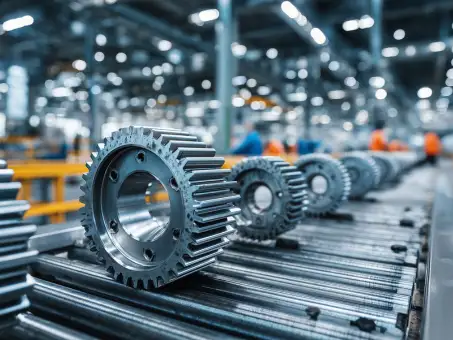
The metal additive manufacturing process builds three dimensional metal parts layer by layer using a digital design, controlled material deposition, and specialized manufacturing equipment. Unlike traditional machining, which removes material from a solid block, metal additive manufacturing adds material where the part requires it.
The process typically involves CAD design, manufacturing preparation, material selection, metal deposition, process monitoring, and post processing. Each stage affects the final component’s accuracy, material properties, and performance.
Manufacturers use metal 3D printing processes to produce complex components, restore suitable worn parts, and support applications in aerospace, defense, automotive, and energy industries. FormAlloy specializes in Directed Energy Deposition (DED), a metal additive manufacturing technology that supports controlled metal deposition and component repair.
How the Metal Additive Manufacturing Process Works Step by Step
Imagine an aerospace engineer designing a lightweight bracket for an aircraft. Instead of carving it from a solid block of metal, the part is built layer by layer using a precise additive manufacturing workflow.
Each stage of the process, from digital design to final inspection, is carefully controlled to ensure strength, accuracy, and efficiency. Let’s break down the key metal additive manufacturing steps and show how modern industries turn digital designs into real, industrial-grade metal parts.
Step 1: CAD Design and Simulation
Every part begins on a computer. Engineers create a 3D model using CAD software, which acts as a blueprint. Simulation tools then test the design digitally to make sure it can handle real-world forces and conditions. For example, aerospace engineers use this step to design lightweight brackets that can withstand extreme stress.
Step 2: Toolpath Generation
After the design is ready, the software calculates the path the machine will follow to deposit the metal. This ensures each layer is placed accurately according to the design.
Step 3: Material Preparation
The metal, usually in powder or wire form, is prepared based on the part’s requirements. The material must be clean and consistent so the metal additive manufacturing process produces strong and reliable components.
Step 4: Layer-by-Layer Deposition
Using techniques like the directed energy deposition process or the laser metal deposition process, the machine builds the part layer by layer. Each layer fuses into a solid structure. This approach allows engineers to create complex shapes that are difficult or impossible to make with traditional methods. For example, industrial companies use these steps to manufacture turbine blades or aerospace brackets with intricate internal channels.
Step 5: In-Process Monitoring
Sensors track the deposition in real time. If something goes off course, the system adjusts automatically. This ensures the part meets the required quality and precision standards.
Step 6: Post-Processing and Finishing
After building, parts undergo finishing steps such as heat treatment, machining, or polishing. These steps enhance strength, accuracy, and surface quality, making sure the metal additive manufacturing process produces industrial-grade components ready for use.
Following these metal additive manufacturing steps ensures a structured additive manufacturing workflow. Each stage contributes to making the metal additive manufacturing process efficient, repeatable, and suitable for demanding industrial applications.
How DED Differs From Other Metal Additive Manufacturing Processes
Metal additive manufacturing includes several technologies, and each uses a different method to build metal components.
Directed Energy Deposition (DED) uses a focused energy source, such as a laser, to melt metal powder or wire as the material is deposited onto a substrate or existing component. This process is useful for repairing worn metal parts, adding features, applying certain coatings, and manufacturing suitable metal components.
Laser Powder Bed Fusion (LPBF) works differently. It selectively melts thin layers of metal powder inside a powder bed. Manufacturers often use this process to produce smaller parts with complex internal structures and fine geometric details.
DED can be useful when manufacturers need directed material placement, component repair, or larger build capabilities. Powder bed processes may be more suitable for components requiring detailed internal channels or fine features.
The appropriate technology depends on part geometry, material compatibility, surface finish, production requirements, and inspection standards.
Frequently Asked Questions
What Sets FormAlloy Apart?
At FormAlloy, we help businesses bring the full potential of the metal additive manufacturing process to life. From guiding you through every metal additive manufacturing step to implementing advanced techniques like the directed energy deposition process and the laser metal deposition process, we ensure your parts are precise, high-performance, and ready for industrial use.
Our expertise in streamlining the industrial additive manufacturing process means faster production, reduced waste, and greater design freedom for your projects.
If you are ready to transform your manufacturing workflow and create once impossible components, contact us today to see how we can help you achieve your goals with additive manufacturing.