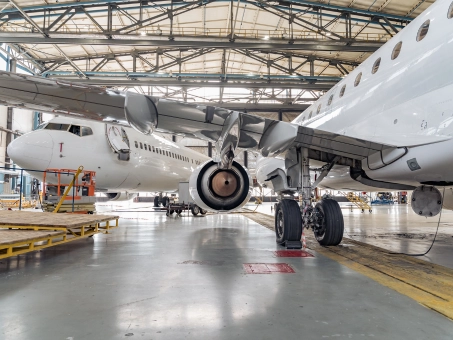
FormAlloy announced plans to open a new 40,000-square-foot advanced manufacturing facility in Spring Valley. The new facility will allow FormAlloy to meet increasing demand for precision metal parts from aerospace and defense contractors. The expansion will help the company make more metal parts each year. It will add 8 new DEDSmart systems that can produce more than 1500 complex metal parts every year. This will help the company make parts faster and at a lower cost than traditional manufacturing.
“Our customers have been saying they need faster timelines and lower costs on complex metal parts for months,” said Melanie Lang, co-founder and CEO of FormAlloy. “Traditional manufacturing just can’t compete on speed or price anymore. This expansion lets us deliver on the promise of additive manufacturing.”
1. Why Do We Need More Manufacturing Now?
Traditional metal manufacturing is slow. After you design a part, you have no choice but to wait while custom tooling is made and everything else gets set up. The setup alone takes weeks before production even starts. A component that needs to be in your hands in 30 days gets quoted at 120 days.
For aerospace and defense contractors, these long lead times lead to bottlenecks. You need fast and reliable parts without breaking the bank.
Directed Energy Deposition eliminates the tooling delays from the equation. You send the digital design and production starts immediately. You don’t have to wait for weeks or bear expensive setup costs anymore. You will get your part within weeks.
FormAlloy’s new facility doubles down on this advantage. More machines mean faster production and quicker delivery for customers. This is important for industries where every day matters.
2. What Can the New Facility Make?
FormAlloy’s new facility specializes in complex aerospace and defense components. They make structural parts with intricate geometry, turbine blades with internal cooling channels, and valve components. They repair high-value damaged parts.
The 8 new DEDSmart systems can work with titanium, Inconel, stainless steel, and specialized aerospace alloys. Each system is equipped with real-time monitoring and closed-loop control to ensure every part meets the strict quality standards.
Parts are made right the first time so there’s no wasted material and no do-overs. The high-quality components pass the rigorous tests for military and aerospace use.
3. How Does This Help Supply Chains?
Aerospace and defense companies are dealing with long supply delays. Many manufacturers take too long to make parts. This means companies have to wait longer for the parts they need. Even one missing part can slow down the whole project.
Advanced additive manufacturing solves this bottleneck. Instead of waiting in line for months, parts get made fast.
FormAlloy’s expansion means more capacity for government contractors who need reliable suppliers. It strengthens the supply chain and reduces risk. Parts get to the production lines faster.
4. How Will This Affect Costs?
Traditional manufacturing requires expensive tooling. Of course, the customers have to bear the costs. You pay $100,000 for molds. You pay thousands more for setup. And let’s not forget material waste.
Additive manufacturing eliminates tooling. Setup time goes from weeks to days. Material waste drops from 70-90 percent to less than 5 percent.
Complex aerospace components cost 40 to 60 percent less than traditional manufacturing methods. Think about how much you will save across hundreds of parts.
FormAlloy can now make more parts than before. This helps lower the cost of each part. Customers get better prices. The company can also work faster and more efficiently.
5. When Will the New Facility Open?
FormAlloy plans to open the new facility by early 2027. Equipment setup will start this fall. After that, the team will begin training. The company plans to reach full production by spring 2027.
Customers can already start placing orders that align with the facility’s launch schedule. This allows aerospace and defense contractors to plan their supply chains around the new capacity.
6. How Will This Expansion Help FormAlloy Compete?
The aerospace and defense sectors are always on the lookout for more capable suppliers. They want companies that deliver speed and offer competitive costs.
FormAlloy’s expansion is a clear sign that they’re ready to lead the market. With greater capacity and advanced capabilities, they’re well equipped to support major defense contractors.
This expansion isn’t just about building more machines. FormAlloy is a critical part of the aerospace and defense supply chain.
7. Why Metal Additive Manufacturing Matters for Aerospace and Defense
Manufacturing is changing fast. Companies that use new technology early can stay ahead. FormAlloy’s expansion shows that 3D printing is becoming an important part of modern manufacturing.
Aerospace and defense contractors can now reduce supply chain risk. These industries can enjoy faster timelines and lower costs.
The old way of manufacturing is out, making way for something more reliable.
8. What’s Next for Advanced Manufacturing
FormAlloy’s expansion shows how the industry is changing. More companies are using 3D printing to make parts. This helps create a stronger supply chain and better ways to build products.
That’s great news for anyone who relies on precision metal parts. With more competition and increased capacity, delivery times are shrinking, and costs are coming down.
Frequently Asked Questions About Aerospace and Defense Manufacturing
What is the role of additive manufacturing in aerospace production?
Additive manufacturing helps aerospace companies create complex metal components with less material waste, faster production timelines, and designs that are difficult to produce with traditional manufacturing methods.
Why are aerospace companies using Directed Energy Deposition for metal parts?
Aerospace companies use Directed Energy Deposition because it can manufacture large metal components, repair high value parts, and produce strong materials while reducing production delays.
How does FormAlloy support aerospace and defense part manufacturing?
FormAlloy uses advanced metal additive manufacturing and DED technology to produce complex aerospace and defense components with high precision, reduced material waste, and faster production cycles.
What types of aerospace components can be made with metal additive manufacturing?
Metal additive manufacturing can produce components such as turbine parts, structural components, heat exchangers, propulsion parts, and other complex metal assemblies used in aerospace applications.
How does advanced manufacturing reduce aerospace supply chain delays?
Advanced manufacturing reduces supply chain delays by allowing companies to produce metal parts closer to demand, reduce dependence on long supplier timelines, and manufacture components directly from digital designs.
Why is DED technology important for defense manufacturing?
DED technology allows defense manufacturers to create, modify, and repair critical metal components quickly while maintaining strong material properties required for demanding applications.
How does a new advanced manufacturing facility improve aerospace production capacity?
A new advanced manufacturing facility increases production capacity by adding more equipment, supporting larger projects, and allowing manufacturers to produce more complex metal components with shorter lead times.
Key Takeaways
- FormAlloy’s new facility doubles current production capacity
- Advanced DED technology allows for faster and cheaper production than traditional methods
- Aerospace and defense contractors can now get complex metal parts in weeks instead of waiting in line for months
- The facility will employ 30 specialized technicians and engineers
- This expansion meets the increasing demand for faster component manufacturing across critical industries