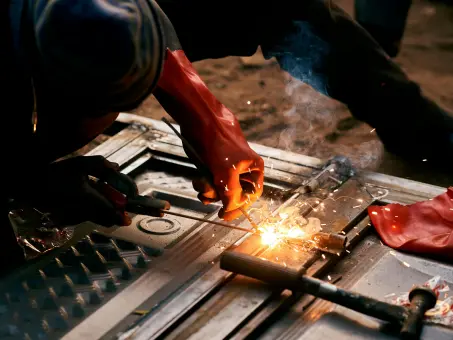
TL;DR
Unreliable metal components lead to expensive project downtime, unexpected equipment breakdowns, and structural failures. Working with the right Industrial Metal Fabrication team prevents costly rework through exact specs, modern technology, and rigorous quality testing. Choose a trusted partner to keep your project on schedule, protect your budget, and ensure long-term success.
The Hidden Costs of Poor Industrial Metal Fabrication
When metal parts fail or arrive late, your entire operation stops. Every hour of downtime costs thousands of dollars in lost labor and missed production deadlines. Choosing cheap manufacturing options often leads to weak welds, incorrect measurements, and poor material quality that destroys your bottom line.
Modern Industrial Metal Fabrication solves these painful issues by turning raw metals into exact components built to last. High-performance projects require high-grade raw metals processed with precise machines. The United States government tracks manufacturing productivity and output standards closely through official channels like the U.S. Bureau of Labor Statistics to ensure industrial safety and economic stability across domestic industries.
Partnering with a reliable shop protects your business from unexpected supply chain issues and expensive material waste. When you invest in top-tier Metal Manufacturing Services, your equipment runs longer with less maintenance.
5 Critical Failures in Custom Metal Work and How to Avoid Them
1. Inaccurate Measurements
A tiny error in cutting or bending ruins an entire batch of metal parts. Advanced shops use laser cutting and computer controls to eliminate human error during production.
2. Weak Welds and Poor Structural Integrity
Structural metal needs strong joints to hold heavy weight safely. Poor welding techniques create hidden cracks that fail under high stress.
3. Material Misidentification
Using the wrong alloy causes rapid rust or physical bending under heat and pressure. Professional fabricators test raw materials before production begins.
4. Poor Finishing and Coating
Unprotected metal rusts quickly in harsh environments. Proper painting, powder coating, and galvanizing shield your investment from weather and aggressive chemicals.
5. Missed Delivery Deadlines
Late parts stop assembly lines and cause massive financial losses. Top fabricators use smart scheduling tools to deliver on time every single time.
Key Benefits of Professional Metal Manufacturing Services
Choosing custom solutions over stock parts gives your business a major advantage in quality, strength, and overall performance.
| Fabrication Factor | Stock Metal Components | Professional Custom Fabrication |
| Precision | Standard sizes only | Fits your exact machinery specs |
| Durability | Generic metal grades | Premium alloys built for heavy stress |
| Waste Level | High scrap rate from modifications | Low waste due to exact cutting |
| Lifespan | Needs frequent replacement | Built for long-term industrial use |
To achieve these results, you need a team skilled in Custom Metal Fabrication and understanding your unique project goals. Investing in quality upfront saves your business money on repairs down the road.
How Modern Technology Enhances Structural Metal Fabrication
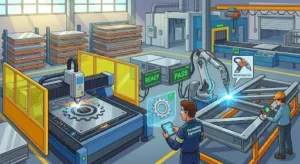
The metal industry has evolved rapidly over the past decade. Modern shops rely on automated equipment and digital tools to produce superior parts quickly and safely.
- Laser Cutting: Cuts thick steel plates with smooth edges and extreme accuracy.
- CNC Folding: Bends heavy metal sheets at precise angles without cracking.
- Robotic Welding: Creates consistent, high-strength welds on large production runs.
- 3D Modeling: Allows engineers to test parts virtually before physical production.
When building large frames or heavy equipment, choosing expert Structural Metal Fabrication ensures your project meets local safety codes and heavy load demands.
Government researchers continuously study industrial safety and manufacturing innovation to help plants run safely. You can review safety standards and engineering resources on the National Institute of Standards and Technology.
Advanced Quality Assurance Techniques for Industrial Metal Fabrication
Creating reliable metal parts requires rigorous testing methods before any component leaves the facility floor. Quality assurance is not just a final inspection step; it is an active process built into every phase of production. Modern manufacturers combine non-destructive testing with real-time digital monitoring to verify structural strength and geometric precision.
- Ultrasonic Inspection: Uses high-frequency sound waves to detect hidden internal cracks or voids inside thick metal welds without damaging the part.
- Magnetic Particle Testing: Reveals fine surface defects and subsurface stress lines in ferromagnetic materials like iron and steel.
- Laser Scanning Verification: Compares the physical finished component directly against the original CAD design files to ensure sub-millimeter precision.
- Hardness and Tensile Testing: Confirms that raw alloys meet required yield strengths and durability standards under high heat and heavy structural pressure.
By applying these advanced quality checks, professional fabricators prevent unexpected component failure in field operations. Catching defects early in production saves client projects from sudden shutdowns, costly liability issues, and expensive emergency repairs later on.
Step-by-Step Guide to Choosing Industrial Fabrication Services
Finding the right production partner requires careful research. Follow these practical steps to choose the best shop for your business:
- Check Industry Certification: Ensure the shop holds valid quality certificates and welding credentials.
- Review Material Options: Confirm they work with stainless steel, aluminum, carbon steel, and specialty alloys.
- Inspect Machinery: Look for modern CNC equipment, lasers, and automated press brakes.
- Evaluate Testing Protocols: Ask if they perform ultrasonic, load, or pressure testing on finished parts.
- Demand Clear Timelines: Select a team with a strong track record of meeting delivery dates.
Working with experienced Industrial Fabrication Services keeps your projects running smoothly from design to final assembly.
Complete Quality Checklist for Precision Metal Fabrication
Before accepting any delivery, inspect your fabricated metal parts using this quick quality checklist:
- Verify all dimensions match your original engineering blueprints.
- Check welds for smooth, continuous seams without visible air bubbles or cracks.
- Test smooth movement on hinged or moving components.
- Inspect surface coatings for complete coverage without thin spots or drips.
- Confirm that metal thickness matches your order specifications.
High-quality Precision Metal Fabrication removes guesswork and guarantees that every component fits right the first time.
Explore Our Specialized Fabrication Capabilities
Learn more about our specific custom metal services by exploring these dedicated resources:
- Check out our advanced Technology and Additive Manufacturing Services to see how modern metal tools operate.
- Explore our specialized Metal Alloys and Materials Support for high-performance industrial builds.
- Review our custom Directed Energy Deposition Solutions for repairing and building heavy parts.
- Visit our FormAlloy Equipment and Systems Page to inspect our production machinery.
- Read our Metal Fabrication Applications and Case Studies to see real-world project examples.
- Access our FormAlloy Research and Development Services for custom engineering help.
FAQs
What is custom metal fabrication used for?
Custom metal fabrication builds specialized parts, frames, structures, and machinery components tailored to unique industrial specifications that off-the-shelf parts cannot match.
Why is laser cutting better than traditional cutting?
Laser cutting delivers clean edges, tight tolerances, faster speed, and less material waste, making it ideal for complex industrial metal designs.
What materials are commonly used in structural fabrication?
Common materials include carbon steel, stainless steel, structural aluminum, and heavy-duty alloys designed to withstand extreme loads and harsh environmental conditions.
How do I prevent metal corrosion in industrial parts?
Corrosion is prevented by applying protective finishes such as powder coating, hot-dip galvanizing, or specialized industrial paints during the final finishing process.
What is the difference between welding and fabrication?
Welding is the specific process of joining two metal pieces together, while fabrication is the complete manufacturing process including cutting, bending, forming, and assembling.
How does precision fabrication reduce operational costs?
Precision fabrication creates exact parts that fit perfectly, eliminating assembly line delays, reducing scrap metal, and lowering long-term maintenance expenses.
Can custom fabricators repair damaged machinery parts?
Yes, experienced fabricators use advanced techniques like additive deposition and resurfacing to repair, strengthen, and rebuild worn or damaged metal components.
What industries rely most on heavy metal fabrication?
Aerospace, automotive, construction, energy, defense, and heavy machinery industries rely heavily on custom metal fabrication for critical operational equipment.
How long does a typical metal fabrication project take?
Project timelines depend on design complexity, material availability, and order volume, but modern CNC automated machinery drastically speeds up total turnaround times.
Building a Stronger Foundation for Your Operations
- Poor metal quality causes costly operational downtime and dangerous structural failures.
- Precise measurement and automated laser cutting prevent material waste and fitment issues.
- Choosing the right metal alloys and protective coatings extends equipment lifespan.
- Advanced technology like 3D modeling and robotic welding ensures consistent build quality.
- Partnering with a certified fabricator keeps your production on schedule and on budget.
Ready to Upgrade Your Industrial Production?
Do not let poor metal quality hold back your business operations. Our engineering team provides high-precision fabrication tailored to your exact industry standards. Contact FormAlloy today to discuss your project requirements and receive a customized quote for your production needs!